
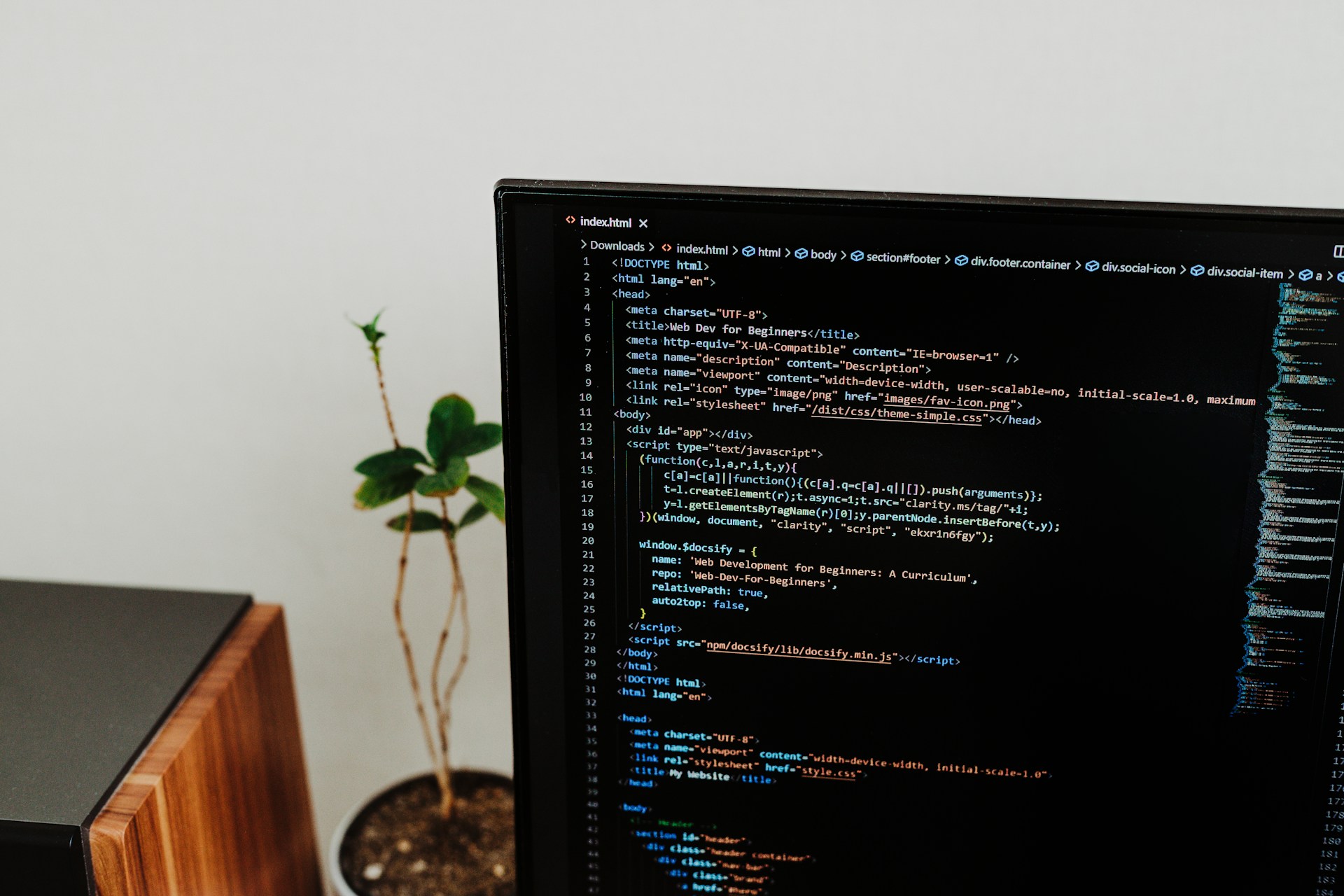
Efficiently Creating a Website
Building a website is an exciting, yet sometimes overwhelming, process. Whether you’re launching a personal blog, an online store, or a professional portfolio, your website is often the first point of contact for your audience. You want to make sure it looks great, functions well, and delivers a smooth user experience.
Getting started involves making a few key decisions. Should you build it yourself? Hire someone? Use a website builder? What about the web design cost associated with this? There are several paths you can take, each with its own pros and cons. Let’s dive into what you should keep in mind as you move forward and the best ways to approach this process.
Clarify the Purpose of Your Website
First things first: what’s the purpose of your website? This might sound obvious, but having a clear idea of what your site is for will guide every decision, from design to functionality.
Is this a personal blog or a place to share your thoughts and stories? Maybe you’re starting an e-commerce site to sell products, or you need a business website to showcase your services. Each type of site has different needs—an online store will require payment processing and product pages, while a portfolio site might focus more on high-quality images and clean design. Knowing your goals will help you pick the right platform, features, and style.
Should You DIY or Hire Help?
Once you’ve got a clear vision, it’s time to figure out who’s actually going to build the thing. This is a big decision. You have three main options: build it yourself, hire a freelancer, or outsource to an agency.
Doing It Yourself
If you’re tech-savvy or on a budget, doing it yourself (DIY) can be an attractive option. Website builders like Wix, Squarespace, or WordPress are designed for beginners. They offer easy-to-use templates and drag-and-drop tools that make creating a site fairly straightforward.
This option is great for simple websites. If you’re setting up a personal blog, a small business site, or an online portfolio, DIY might be all you need. However, while it’s more affordable, it’s also time-consuming. If you want something highly customized or if you don’t have much experience, you could hit some roadblocks. Also, DIY sites can sometimes feel limiting in terms of flexibility and scalability.
Hiring a Freelancer
Need something a bit more custom? Hiring a freelancer might be the way to go. Freelancers often specialize in particular areas—some focus on front-end design (how your site looks), while others handle back-end development (how your site works). There are also freelancers who can help with SEO, content creation, or e-commerce setups.
Freelancers can give you more freedom with design and functionality than DIY options. They’re typically more affordable than agencies, and because you’re working directly with them, communication can be more personal. That said, if your project is big or requires various skill sets, you may need to hire more than one freelancer. This can become tricky to manage.
Outsourcing to an Agency
If your website needs to be highly professional or complex—say, a fully functioning online store or a corporate website—an agency is often the best choice. Agencies have entire teams, including designers, developers, and project managers, all working together to build your site. They’re experienced in handling large projects and can offer end-to-end services, including post-launch support and marketing.
An agency is the priciest option, but you’re paying for expertise and efficiency. They can handle every aspect of your website, from initial design to ongoing maintenance, and they often work faster than a single freelancer because they have a whole team dedicated to the project. However, working with an agency can feel less personal than working with a freelancer, and you might not always have direct access to the person actually doing the work.
What to Consider When Building Your Website
Regardless of whether you go the DIY route or hire someone, there are a few important things to keep in mind to make sure your website is successful.
Choosing the Right Platform
Your website’s platform is the foundation for everything. Popular options include:
- WordPress: Great for flexible, content-rich sites like blogs or business sites. There are tons of plugins and themes to choose from, but it does require more technical knowledge than a drag-and-drop builder.
- Shopify: If you’re setting up an online store, Shopify is one of the easiest and most reliable options. It’s built specifically for e-commerce and has a ton of features to help with payments, shipping, and inventory management.
- Wix and Squarespace: These are user-friendly platforms that are perfect for small business sites, personal projects, or portfolios. They offer beautiful templates but are less customizable than WordPress.
Pick a platform that fits not just your current needs, but what you might need in the future. If you plan to scale or add more features later, you’ll want a platform that can grow with you.
Focus on User Experience and Design
Your website’s design is more than just making it look pretty. A good design should be user-friendly and functional. Think about how people will navigate your site. Is it easy to find information? Are the menus clear? Can users quickly find what they’re looking for?
Make sure your site is mobile-friendly, as more than half of web traffic comes from mobile devices. Speed is also important. If your site is slow, visitors are more likely to leave before it even loads. And don’t forget about branding—your colors, fonts, and images should reflect your overall style and brand identity.
Prioritize SEO
Getting people to your site is as important as building it. Search Engine Optimization (SEO) helps your site appear in search results when people are looking for things related to your business. Focus on:
- On-page SEO: Make sure your pages are optimized with the right keywords, title tags, and meta descriptions.
- Content strategy: Regularly post high-quality content to keep your site fresh and relevant.
- Technical SEO: This includes things like ensuring your site is fast, secure, and mobile-optimized. These factors affect how search engines rank your site.
Don’t Forget About Security
Website security is a must. Make sure your site uses SSL encryption (this is especially important for e-commerce sites or any site where users input personal information). Backups are also critical. You don’t want to lose all your hard work because of a crash or hack. Finally, keep your software, plugins, and tools up to date to avoid vulnerabilities.
Plan for Maintenance and Updates
Building your website is just the beginning. Regular maintenance is key to keeping it running smoothly. Over time, you’ll need to update plugins, refresh content, and make sure everything stays secure. Whether you’re doing it yourself or hiring someone to maintain it, plan for ongoing updates as part of your website’s lifecycle.
DIY vs. Hiring Help: What’s the Best Choice?
If your website is fairly straightforward and you’re comfortable using web-building tools, doing it yourself could be a good fit. It’s cost-effective and gives you control over every aspect of the site.
On the other hand, if you need advanced features, a custom design, or simply don’t have the time, outsourcing is often the better choice. A freelancer can be a great middle-ground option for small to medium projects, while agencies are ideal for larger, more complex sites.
The right choice depends on your budget, timeline, and the level of customization you need.
How to Choose the Right Freelancer or Agency
If you decide to hire help, it’s important to do your research. Check portfolios to make sure they’ve done the kind of work you’re looking for. Read reviews from other clients to get an idea of their reliability and communication style.
Also, make sure you ask about their process. How do they handle timelines? What’s their revision policy? Do they offer post-launch support? The clearer you are about what you need, the better fit you’ll find.
Finally, get a detailed contract. Outline what’s included, the timeline, and how payments will work to avoid misunderstandings down the road.
Wrapping Up
Building a website is an investment in your future, and doing it right the first time will save you a lot of headaches later. Whether you decide to build it yourself or hire help, be sure to consider factors like platform, design, SEO, and security. With the right planning and a clear vision, your website can be a powerful tool to help you reach your goals.